
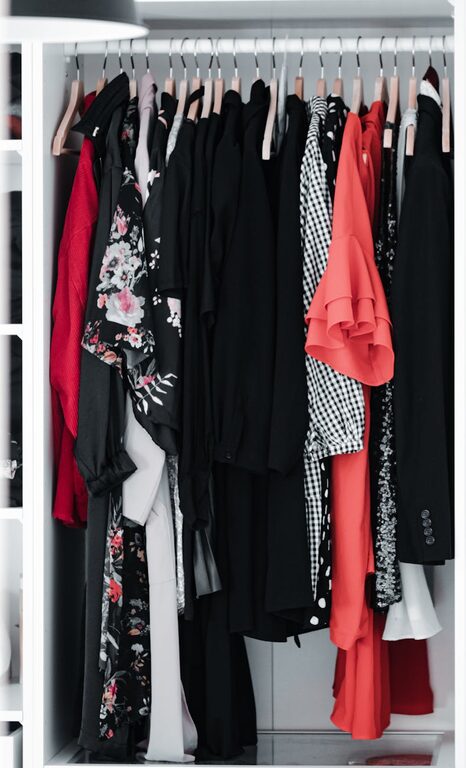
Storing seasonal clothes efficiently is key to maintaining an organized, clutter-free home. Whether you’re tucking away winter coats or summer dresses, proper storage preserves your garments and frees up valuable closet space. In this post, we’ll explore practical tips and proven methods to help you store your off-season clothes smartly and safely.
Why Proper Seasonal Storage Matters
Seasonal clothes often spend months unused but still require care to avoid damage like fading, wrinkling, or pests. Efficient storage also helps you:
– Maximize your closet and drawer space
– Easily find clothes when the season returns
– Protect delicate fabrics from moisture and dust
– Extend the life of your garments
By making storage a breeze, you can enjoy a streamlined wardrobe and a tidy living space.
Preparing Clothes for Storage
Before packing clothes away, it’s important to clean and prepare them well. Follow these steps:
1. Wash or Dry Clean
Dirty clothes are more prone to stains, odors, and attracting insects. Wash machine-friendly items according to label instructions. Dry clean delicate or special fabrics to prevent damage.
2. Repair and Sort
Check for minor repairs such as missing buttons, loose threads, or small tears. Repairing now will save frustration later. Also, sort clothes into categories like sweaters, pants, or dresses for easier access.
3. Fully Dry
Ensure all clothes are completely dry before storage to prevent mold and mildew growth. Hang items outdoors or use a dryer on low heat if needed.
4. Fold or Hang Appropriately
– Fold knitwear and heavy sweaters to avoid stretching
– Hang delicate dresses or blouses to preserve shape
– Use padded hangers for delicate fabrics
Choosing the Right Storage Containers
The choice of storage containers can make a big difference in how well clothes are preserved.
1. Plastic Bins With Airtight Lids
Clear plastic bins help keep out moisture and pests. Look for bins with airtight seals to protect against humidity. Labels on bins make identification easy without opening them.
2. Fabric Storage Bags and Boxes
Breathable fabric bags reduce condensation and keep clothes fresh. They’re especially good for natural fibers like cotton or wool. Use cloth boxes or canvas bins for an eco-friendly option.
3. Vacuum-Sealed Bags
Vacuum-sealed bags shrink bulky items like quilts and winter coats. They save space and protect clothes, but avoid using them for garments that need to breathe for long-term storage.
4. Cedar Chests and Blocks
Using cedar blocks or lining storage spaces with cedar can deter moths and add a fresh scent to your clothes.
Best Places to Store Seasonal Clothes
Selecting the right spot is important to keep clothes safe.
– Closets: Use high shelves or dedicated seasonal closet sections.
– Under-bed Storage: Great for bins or flat containers for items like sweaters or jeans.
– Storage Ottomans: Dual-purpose furniture that stores clothes while adding seating.
– Attics and Basements: Only if they’re clean, dry, and temperature-controlled to avoid damage.
Avoid places with excess heat, humidity, or direct sunlight.
Organizing Tips for Easy Access
Keeping your seasonal clothes organized helps you locate items quickly when the season changes.
– Label Everything: Use clear labels on boxes or bins.
– Create an Inventory: Make a simple list or photo inventory of what’s stored where.
– Use Color-Coded Bins: Assign colors for each season or clothing type.
– Store Similar Items Together: Keep all sweaters or shorts in the same containers.
Maintain Your Seasonal Wardrobe Year-Round
Even stored clothes benefit from occasional attention.
– Air Out Storage Containers: Open boxes every few months to refresh air circulation.
– Inspect for Pests or Damage: Check for moths or fabric issues.
– Rotate Items: Move clothes around or switch the order to avoid creases or long-term pressure marks.
Summary
Efficient storage of seasonal clothes requires proper preparation, the right containers, and smart organizational strategies. By washing and repairing items beforehand, choosing breathable or airtight containers, and maintaining your storage spots, you’ll protect your garments and enjoy a streamlined wardrobe year after year. With these tips, seasonal transitions become easier and your home stays clutter-free!
Feel free to share your own storage tips or ask questions in the comments below!